You can acquire the most safe cot, install the very best car seat, and childproof every cupboard, yet one of the most important safety tool in a home with youngsters suits your head and hands. Recognizing what to do in the first two minutes of an emergency situation can make the difference in between a scare and a disaster. That is why a quality first aid course tailored for moms and dads sits high on the list of must-haves, best alongside rest, treats, and a reliable stroller.
Parents that complete first aid training are not just memorizing steps. They are constructing muscular tissue memory under stress and anxiety, a sense of percentage concerning when to view and when to act, and the capacity to keep one's cool voices around tiny ears. I have instructed and participated in first aid and CPR courses for more than a years, and one of the most usual feedback from parents is not regarding passing an examination or getting a first aid certificate. It is about feeling present when something goes wrong and moving with function rather than panic.
The truth in the house: what in fact happens
Children do not obtain injured in neat textbook ways. The kid who refuses to rest still at lunch can choke on a bite of apple. The interested preschooler might touch a warm frying pan despite yesterday's warning. A six-year-old who has never ever had wheeze prior to can suddenly cough and struggle to breathe after a sting in the lawn. Falls from sofas, poisonous substance sips from cosmetic bottles, head knocks on coffee tables, and fevers that spike at 3 a.m. fill the time between well brows through and birthday celebration parties.

A trustworthy first aid and CPR course prepares you for these average emergency situations. Not with scare techniques, yet with rehearsed activities: just how to get rid of a respiratory tract for a baby versus a child, just how to use an auto-injector for anaphylaxis, exactly how to splint an arm or leg up until you reach care, and when to call for assistance initially instead of beginning interventions. Good training folds your home reality right into the curriculum. If your youngster has bronchial asthma, you exercise spacer strategy and dilemma application. If you have a pool, you drill water rescue safety and security and pediatric CPR until your arms ache.
How parents discover best
Adults learn in different ways from young adults enduring a school requirement. Moms and dads involve a program with memories of prior close calls and a healthy and balanced anxiety regarding the next one. The best first aid courses satisfy that power with practical circumstances and clear thresholds for activity. Hands-on beats slide show every time. You will certainly not bear in mind a layout while your infant turns red at the high chair. You will certainly bear in mind the feeling of the manikin under your hands as you practice breast compressions throughout CPR training, and the view line right into a version respiratory tract as you learn to deliver back impacts and chest drives for infants.
Look for instructors that invite your concerns and do not dismiss side instances. If someone asks, "What happens if my youngster gets on the range and dislikes being touched?", the teacher ought to assist adapt your approach. If you ask whether you can execute CPR with a child in a child seat after an accident, the instructor ought to go through threat and method, not hand-wave it away. A top quality supplier, whether a regional neighborhood team or a nationwide organization like First Aid Pro or a Red Cross associate, shows concepts you can bend to your conditions, not inflexible scripts.

What a strong pediatric first aid course covers
Courses vary, however the core skill set for moms and dads ought to really feel regular and split. Begin with scene safety. A parent that hurries into a road to save a child without first quiting website traffic comes to be a 2nd individual. After that relocate into action checks, airway administration, and breathing assistance. Pediatric composition issues right here. A baby's head is proportionally bigger, the airway is smaller, and the chest presses in a different way than a grownup's. You learn to check responsiveness, call for help successfully, and start care without delay.
Choking management should have hefty repeating. For infants under one year, that means back blows and chest thrusts on a company surface. For older children, stomach drives if they are conscious and incapable to cough, or chest compressions if they end up being less competent. Method until you can move smoothly between those methods based upon age and problem. The difference is not academic. I viewed a father freeze at a barbecue when his nine-month-old gagged on banana. His companion had actually just taken a first aid course and started back impacts with consistent self-confidence. The food removed by the third blow. They both trembled afterward, but the skill existed when it counted.
Breathing emergencies generally come under three patterns at home: bronchial asthma flares, allergies, and near-drowning. Training covers spacer technique for inhalers, the signs of a severe bronchial asthma attack that needs immediate care, and how to maintain a child in a position that alleviates breathing instead of lying them level. With allergic reactions, you find out to recognize anaphylaxis even when hives are lacking. The guideline is straightforward: breathing or circulation signs with a most likely trigger equates to epinephrine currently, not after the 2nd indication. Experiment trainer auto-injectors until you can eliminate security caps, place properly against the thigh with clothing, and hold for the complete matter. With water events, the focus gets on safety first, getting rid of the youngster from the water without risking yourself, and after that immediate CPR if there is no breathing.
Bleeding control is simple with the best behaviors. Direct stress defeats intricate bandaging. Find out to pack a wound with tidy cloth or gauze, apply steady pressure for minutes, not seconds, and raise if sensible. Nosebleeds go forward, not back, with pinching of the soft nostrils for a minimum of 10 minutes. The lure to peek every min resets the clock. For burns, the concept is cool the melt, warm the kid. Usage awesome running water for at the very least twenty minutes for anything greater than a little surface burn. Avoid ice. Keep the rest of the child cozy, cover loosely with stick film or a clean towel, and do not pop blisters.
Head injuries deserve judgment. Not every bump needs a hospital go to, however certain indicators do. You will find out to expect loss of awareness, relentless throwing up, getting worse migraine, complication, unusual actions, or seizure activity. With babies under one year, the limit for assessment is reduced. If a fall is from more than the kid's height, or the system feels terrible to you, depend on that feeling and have a clinician assess them. An excellent first aid and CPR course educates these choice factors without making you feel careless if you pick to look for care.
Poisoning and ingestion administration have altered in time. The majority of us grew up hearing "cause throwing up." Modern advice says do not. Call a poisonous substance info facility initially, bring the item or an image of the label, and adhere to guidelines. Turned on charcoal is not a do it yourself repair for moms and dads. Maintain the toxin hotline saved in your phone and stayed with your fridge. If you have grandparents or sitters that help, see to it they have the number too.
Finally, CPR and AED usage are the support of any first aid and CPR course. For babies, compressions with two fingers to one-third the upper body depth at concerning 100 to 120 per minute, with breaths that make the breast rise delicately. For kids, utilize 1 or 2 hands based on size. Automated outside defibrillators can be made use of on youngsters with pediatric pads https://telegra.ph/Brief-vs-Extended-First-Aid-Courses-Making-the-most-effective-Choice-05-07 if offered, and on babies if that is all you have in a true emergency situation. The device provides you prompts. You bring the nerve to start.
Picking the ideal company and format
Not all first aid courses are created equal. Some are constructed for office conformity and skim over pediatric circumstances. Others are excellent at grown-up clinical emergency situations however only tack on baby subjects at the end. If you are a parent or caregiver, pick a course marketed clearly as pediatric or family members first aid, or a first aid and CPR course with a child and infant track. Look at the curriculum, not just the logo design. It must note infant CPR, child CPR, choking for both age, anaphylaxis, asthma, burns, blood loss, head injuries, and poisoning. Bonus like fever administration and seizures are valuable, especially if your youngster has a history.
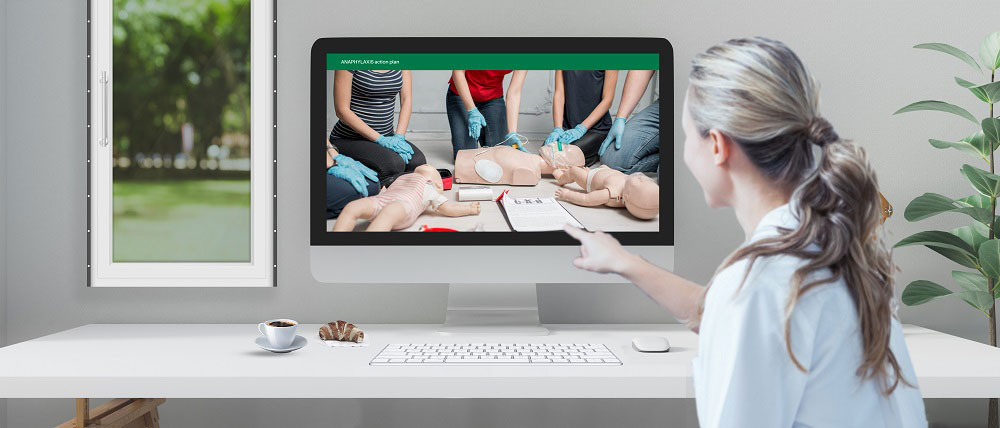
Instructor-to-student proportion matters. You want time on manikins, not a quick turn at the end while the next team sees the clock. Ask the number of manikins per class and just how much time is allocated to hands-on technique. If the response really feels vague, carry on. Companies like First Aid Pro and established neighborhood training teams commonly release this info and track high quality with responses. A credible outfit additionally keeps present guidelines and offers refresher options. Abilities discolor. If your last cpr course was three years ago, do not presume you will certainly remember every step when adrenaline spikes.
Blended learning earns its location for active parents. You can take the didactic section online at your pace, after that participate in a concentrated in-person session for functional drills. That format functions well if the hands-on component is long enough and led by a teacher who deals with method. Entirely on-line courses without validation can be useful for understanding, but they do not build the tactile memory you need. When an infant is purple and quiet, your body needs to move before your brain ends up a sentence.
Certification, refreshers, and actual retention
A first aid certificate gives you a date-stamped record that you completed training to a certain standard. Companies, institutions, and volunteer organizations utilize it as evidence of skills. In the house, the paper is second to the behavior of rehearsal. Strategy to take a cpr correspondence course every 12 to 24 months, faster if you experienced a scare or your household altered. New child? New baby-sitter? New pool? Refresh.
You can keep skills sharp in between courses. Some moms and dads set a quarterly reminder to run a two-minute drill: compressions on a cushion while counting out loud, simulated choking sequence with a teddy bear, EpiPen fitness instructor practice while reviewing a story. Transform it right into a calm regimen, not a grim routine. The goal is comfort with the motions, not fixation with risk.
Adapting first aid to your kid's needs
Textbook CPR rarely features a wiggly young child who hates existing level or a child who shocks at loud noises. That is the real world. If your kid has sensory sensitivities, practice in a manner that values their thresholds. Use firm, predictable touch and constant voice. If loud checking intensifies them, tap a rhythm. If your youngster has a tracheostomy, a seizure problem, or a cardiac condition, ask your pediatrician to coordinate with your training provider for customized guidance. You desire a plan that mixes general first aid with the specifics of your child's health.
Medication management is part of first aid in the house. Maintain fast-acting inhalers with spacers ready and unexpired. If you have an epinephrine auto-injector, shop 2 with each other and change prior to expiry. Tag application sheets clearly. An arranged moms and dad is not picky. They are acquiring decision speed when seconds matter.
What emergencies feel like from the inside
Parents typically ask, "Will I ice up?" Cold is a regular anxiety feedback. Training does not erase anxiety, it offers fear a path. I bear in mind a cooking area melt telephone call where a mother had actually currently cooled her child's lower arm under running water for several mins by the time we got here. She looked light, however every activity was clean. When first aid course Cairns area I asked just how she stayed on track, she said she heard her teacher's voice: cool down the melt, warm the kid. She repeated it to herself like a metronome while she covered a towel around her little girl's shoulders to maintain her from shuddering. That is what great first aid training plants in you, a few straightforward anchors that hold under pressure.
Another papa when messaged after a choking scare at brunch. His three-year-old coughed hard, then went silent with broad eyes. The daddy stood, got behind him, and supplied two abdominal drives. The grape stood out. He cried more challenging than the youngster later. Training did not make him brave. It made him effective.
When to call for assistance, and how to make that phone call count
Part of first aid is recognizing your ceiling. If breathing is struggled, lips are blue, a seizure lasts more than 5 minutes, a child is unresponsive, or bleeding does not stop with direct pressure, you call emergency situation solutions. In a cpr course you will certainly exercise the telephone call script: that you are, where you are, what occurred, and what you are doing now. Place your precise address on a visible note near your home phone or kitchen area hub. In the shuffle of a crisis, even familiar addresses can slide your mind.
When you call, place the phone on speaker and comply with prompts. If you are alone with a baby that is not breathing, do 2 minutes of CPR before you call, then leave the line open while you proceed. If there are two grownups, split roles immediately, one calls while the various other starts treatment. This choreography is another reason to train with your partner or regular caretaker. You can stay clear of screaming and duplicate initiatives when it is real.
The home arrangement that supports your skills
First aid sets cost families usually consist of loads of tiny bandages and inadequate of the items you will really utilize under anxiety. Develop or tune your very own. Focus on high quality adhesive tapes in child-friendly dimensions, first aid course close to Brisbane sterile gauze pads, a big roll of gauze, cohesive cover, tape that sticks to skin without tearing, saline clean, tweezers with aligned suggestions, little candid scissors, immediate ice bags, a digital thermostat, dental syringes for dosing, and a few triangular bandages that function as slings. Keep kids's acetaminophen and ibuprofen with dosing graphes identified by weight. Include two pairs of nitrile gloves in a noticeable pocket. If you manage allergic reactions or bronchial asthma, include an extra spacer and an epinephrine trainer so sitters can rehearse.
Store sets where life occurs, not hidden in a linen closet. One in the kitchen area, one in the auto, and a slimmer variation in the stroller. Turn stock twice a year. If that feels like a whole lot, connect it to daytime conserving clock adjustments. At the exact same time, check smoke alarms, carbon monoxide detectors, and the condition of your swimming pool fencing or stairway gates.
Here is a brief, practical list worth printing and taping to the inside of a cabinet door:
- Emergency numbers: regional emergency situation, toxin facility, pediatrician, closest urgent treatment, your address Medications: inhaler with spacer, epinephrine auto-injector, application graph by weight Kit essentials: gauze, natural cover, top quality bandages, saline, gloves, thermostat, tweezers Skills to revitalize quarterly: baby CPR compressions, kid choking sequence, EpiPen trainer use Access and backups: tricks for caregivers, phone passcode sharing plan, spare auto-injector location
Myths that waste time
A couple of persistent misconceptions surface area in every first aid and cpr course for moms and dads. Learning to sidestep them clears psychological mess when secs tick.
Cold butter on burns lingers as negative suggestions. Fat traps heat, which deepens tissue injury. Stick with great running water. One more misconception states you must fish out things from a choking child's mouth with a blind finger move. That dangers pressing the obstruction deeper. Just eliminate what you can see and comprehend easily. Individuals still fret about beginning CPR due to the fact that they might "damage a rib." In children, rib cracks from CPR are uncommon, and your concern is perfusing the mind. Compression depth matters more than the concern of a crack.
Parents commonly request a global guideline to detect concussion. There is no solitary sign. You look for a cluster and a pattern that aggravates, not a solitary sign. In a similar way, high temperature fear runs high. A number alone is not the whole story. How the youngster looks, drinks, urinates, and reacts guides the decision greater than the peak analysis, unless the youngster is under 3 months or has certain medical risks.
Training with each other transforms outcomes
The home works as a team whether you name it. So one grownup has actually taken a first aid and CPR course, the entire strategy depends upon their existence. Spread out the ability. Grandparents, caretakers, older brother or sisters, also close neighbors that organize your kids for playdates can gain from cpr courses and first aid training. Numerous providers offer short community sessions or household workshops, some at weekend break times that fit about sports and snoozes. If you manage a parent group, think about inviting an instructor for a personalized session. The team dynamic assists shy learners practice and provides every person a common language for emergencies.
After the emergency: debrief and reset
Even when whatever works out, events leave a mark. A straightforward nosebleed that saturated a t-shirt can make a five-year-old avoid soccer for a week. A parent might replay a choking scare for months. Talk it via in plain words. With kids, practice the solution as a tale you took care of together. With adults, stroll the actions you took and the ones you wish to improve. Change used supplies the very same day. If you made use of an epinephrine auto-injector or performed CPR, get in touch with your pediatrician to assess what occurred and update care plans.
Schedule a refresher course quicker than planned after a major event. Your memory for the actual event will develop your method. Ask your trainer to run circumstances that mirror what you dealt with, consisting of the components that really felt disorderly. The goal is not to experience again concern, yet to knit ability throughout that gap.
Where to begin today
If you have never ever taken a program, begin with a reputable pediatric first aid and cpr course that consists of baby and kid components and issues a first aid certificate recognized in your region. Search for local offerings by service providers such as First Aid Pro, area health organizations, or hospital-based education and learning groups. Ask about blended choices if you require versatility. If you trained years ago, publication a cpr refresher course and commit to hands-on practice. Then established your home environment to match your abilities, and share the plan with anyone that cares for your child.
Parents do not require to become paramedics. You need a clear head, a few well-practiced actions, and the judgment to call for aid early. That mix transforms average houses into much safer places for children to expand, explore, and make the inevitable blunders of youth with a better safeguard under them.